

Top Trends To Watch For In 2026
Explore this post further with AI
As I boot my computer back up after two weeks off over the holidays, I’m feeling that familiar mix of energy and optimism that comes with a new year. 2025 brought a lot of exciting progress, new skills, new ideas and some genuinely great work with our partners, and while I don’t expect 2026 to be wildly different (this is the stuff I love, after all), there’s something motivating about a clean slate. A new year is a chance to be more intentional about where we’re headed, what we want to build and which shifts are worth paying attention to. So, in the spirit of looking ahead, let’s dig into the top five trends we think you should watch in 2026 and how you can start thinking strategically about what’s next (and how you will continue to be awesome this year).
1. AI As A Creative And Strategic Copilot
AI isn’t just a time-saver anymore. In 2026, the teams getting the most out of it will be using AI to move faster on ideation, personalization, media optimization and insights, while still keeping people firmly in the driver’s seat when it comes to strategy, judgment and creative direction.
Our recommendation: Treat AI like a jumping-off point, not the finish line. Use it to explore possibilities, uncover patterns and sanity-check ideas, then bring in human judgment to shape, refine and decide what actually makes the work stronger. And if you’re not sure where to start, we’ve shared plenty of thoughts on AI tools and how to use them effectively in your day-to-day workflow. You can dig into our blogs or reach out to chat about what might make the most sense for your team.
2. Optimization For AI-Driven Discovery
People are finding brands in new ways, whether that’s through AI tools, voice assistants or generative search results that summarize information for them. And while those tools don’t always surface accurate information, that’s often because inaccurate or incomplete content already exists. Getting ahead of that matters, and if you work with us, there’s a good chance we’ve already talked about this shift and why it’s so important to address now.
Our recommendation: Focus on creating clear, well-structured content that answers real questions and demonstrates expertise. When your content is easy for people to understand, it’s also easier for AI systems to interpret, summarize and surface it in meaningful ways. Justin wrote an excellent blog about this just a few months ago, which is a great starting point.
3. Authenticity Over Perfection
Audiences are becoming much more tuned in to what feels real and what feels like an ad. They’re gravitating toward content that’s relatable and human, whether that’s behind-the-scenes moments, creator-led storytelling or real experiences shared by real people. Polished, overly produced ads still have their place, but they’re no longer the default path to trust or engagement.
Our recommendation: Look for ways to loosen the grip on perfection. Build space into your strategy for content that feels native to the platform, shows the people behind the brand and reflects real experiences. When your creative feels honest and approachable, audiences are far more likely to stop, engage and remember you.
4. Smarter Measurement And Outcome-Focused Metrics
Reach and impressions aren’t the whole story anymore. If you’ve looked at your metrics lately, you already know the zero-click effect is real, people are seeing your content (or an AI summary), getting what they need and moving on without ever clicking. And with AI-powered search changing how people discover you in the first place, traditional metrics like page views tell an even smaller part of the story. That’s why in 2026, you need to focus less on surface-level numbers and more on outcomes like attribution, incrementality and real business impact, tying creative and media decisions directly to what actually drives results.
Our recommendation: Start pressure-testing your metrics. Look beyond clicks and impressions to understand what’s influencing awareness, consideration and action across channels. When you align measurement with real goals, you can make smarter decisions about where to invest, what to optimize and what’s truly working. Check out Jonathan’s blog for some background on this continuing trend.
5. First-Party Data And Behavior-Led Targeting
If we sound like a broken record, it’s because this one really matters. As privacy regulations tighten and third party cookies continue to disappear, the old ways of targeting are becoming less effective by the day. The marketers who pull ahead will be the ones who know how to activate their first-party data and, more importantly, interpret real user behavior rather than rely solely on broad demographics.
Our recommendation: Start with the data you already have. Dig into how people are actually interacting with your website, content and campaigns, and look for patterns that reveal intent. When you use those insights to guide targeting and messaging, you can create more relevant experiences without relying on invasive or outdated tracking methods. And if you are in the tourism space, be sure to check out our proprietary research to help guide your behavior-led messaging and targeting.
2026 Takeaways
If there’s one big takeaway here, it’s that 2026 isn’t about chasing shiny new things for the sake of it. It’s about being more intentional, more human and a little more curious about how people actually interact with your brand. You don’t have to tackle all of this at once. Pick one area that feels most relevant, start experimenting and build from there. And as always, if you need help turning these insights into practice, reach out and let’s chat.
Here’s to a smart, thoughtful and of course, awesome year ahead!
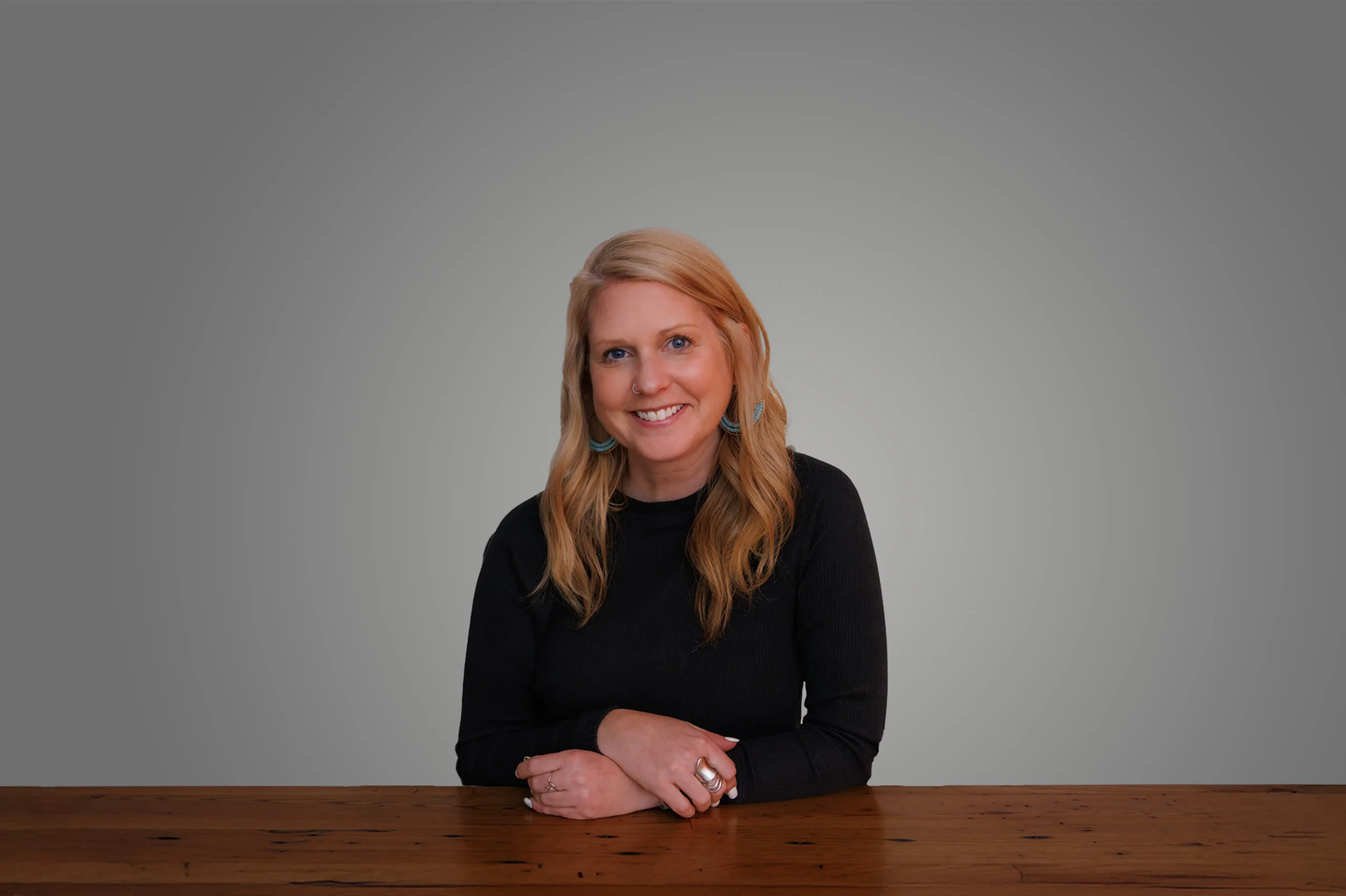
Abbey Reifsnyder
Chief Creative Officer